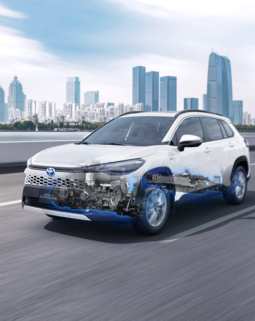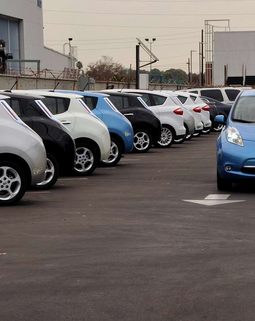


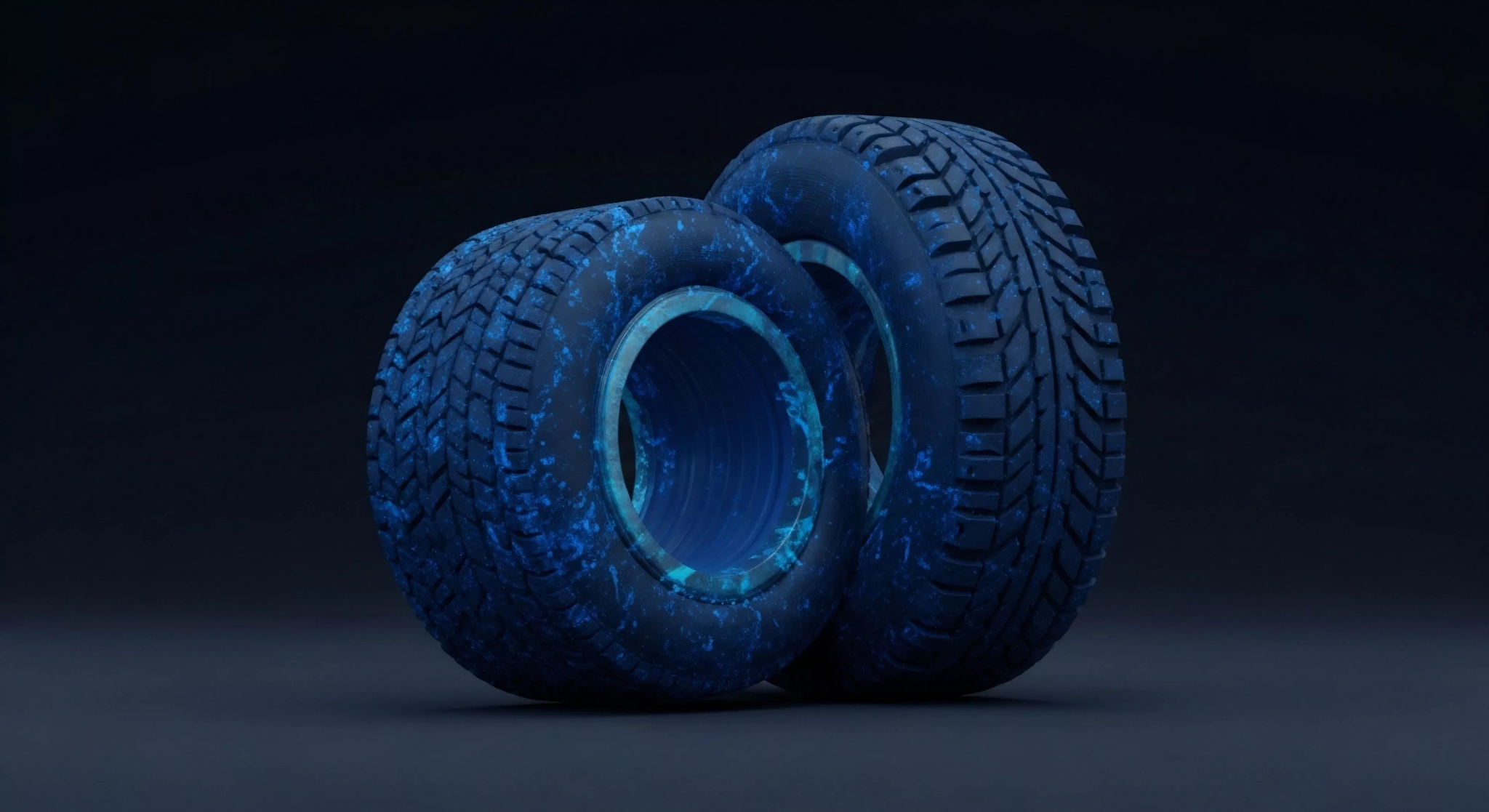
As the global shift toward electric vehicles (EVs) accelerates in 2026, the automotive industry's focus has expanded beyond batteries to include the very foundation of movement: tires. Unlike traditional internal combustion engine vehicles, EVs are significantly heavier and produce instant torque, leading to tires wearing out up to 20% faster. To meet this challenge while adhering to strict new environmental regulations like the EU Deforestation Regulation (EUDR), the demand for Liberia Sustainable Natural Rubber has become a cornerstone of the green mobility supply chain.
The Critical Link Between EVs And Natural Rubber
Electric vehicle tires require a higher composition of natural rubber compared to synthetic alternatives to handle increased load and friction. However, the modern consumer demands that these materials do not come at the cost of tropical rainforests. Liberia Sustainable Natural Rubber has emerged as a preferred feedstock for premium tire manufacturers like Bridgestone and Continental.
In late 2025 and early 2026, major producers in Liberia integrated award-winning traceability technology. This allows every kilogram of rubber to be tracked from the shipping container back to the specific GPS coordinates of the farm where the latex was harvested. This level of transparency ensures that Liberia Sustainable Natural Rubber is produced without contributing to deforestation, a non-negotiable requirement for vehicles sold in the European and North American markets.
Empowering Smallholder Farmers
A unique aspect of the Liberian rubber sector is its reliance on smallholder farmers, who are often referred to as the "backbone" of the industry. To ensure a consistent supply of Liberia Sustainable Natural Rubber, industrial leaders have deployed agricultural extension teams across counties like Margibi and Bong.
These teams provide training on "Best Agricultural Practices" (BAPs) to improve yields without expanding into protected forest zones. By 2026, digital apps are being used by thousands of Liberian farmers to log production data and receive fair-market pricing directly, fostering an ethical ecosystem that supports both the environment and local livelihoods.
Innovations In Green Processing
The sustainability of Liberia Sustainable Natural Rubber isn't just about where it grows, but how it is processed. New state-of-the-art facilities, such as the Jeety Rubber plant, have introduced revolutionary environmental stewardship practices. These include Liberia’s first sophisticated effluent treatment plants and water re-harvesting systems that save roughly 15,000 liters of water per ton of rubber produced.
For industry professionals and eco-conscious drivers interested in the intersection of African resources and future automotive technology, AfriCarNews provides the latest insights into how these regional innovations are shaping the global market.
Achieving International Certification
In a landmark achievement for West African agriculture, several major Liberian facilities recently secured ISCC PLUS and ISO 14001 recertifications for the 2025–2028 period. These certifications validate the industry’s commitment to reducing carbon footprints and managing waste efficiently. When an EV rolls off an assembly line in 2026, there is a high probability that its high-performance, low-rolling-resistance tires were made possible by the rigorous standards of Liberia Sustainable Natural Rubber.
The Future Of Circular Tire Manufacturing
Looking ahead, the goal is to transition from raw material exporting to downstream manufacturing. Plans are already in motion to produce "Made in Liberia" tires by 2029, utilizing Liberia Sustainable Natural Rubber to create a fully circular local economy. By prioritizing soil health, human rights, and technological transparency, Liberia is not just supplying the EV revolution; it is leading it.
Do you think the push for EV-specific tires will help stabilize rubber prices for African farmers, or will the costs of strict "deforestation-free" certification be too high? Join the conversation and share your thoughts in the comments below!