

As Liberia’s economy continues to grow, so does its transportation sector. With this expansion comes the challenge of managing carbon emissions and transitioning towards a more sustainable future. For many drivers and policymakers, the debate over which green vehicle technology is best—hybrid or fully electric—is a critical one. While both aim to reduce the reliance on fossil fuels, their practical applications in the Liberian context differ significantly.
Understanding the unique pros and cons of each technology is key to a successful transition.
The Case for Hybrid Vehicles
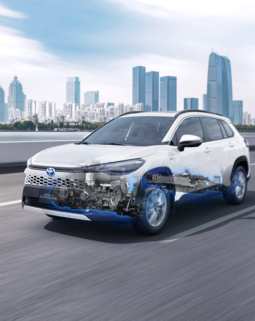
Hybrid cars, which combine a traditional internal combustion engine with an electric motor, present a compelling solution for the here and now. They offer a practical and immediate way to reduce carbon emissions and fuel consumption without requiring a complete overhaul of the country's infrastructure.
No Infrastructure Dependency: This is arguably the biggest advantage. Hybrid cars do not need external charging stations. The battery is charged by the gasoline engine and through regenerative braking. This makes them a perfect fit for a country where the electricity grid is still under development, particularly outside of major urban centers.
Immediate Cost Savings: By using a smaller gasoline engine and supplementing it with electric power, hybrids offer significant fuel efficiency gains. This translates directly to lower running costs for drivers, a powerful incentive for adoption.
Accessible Maintenance: Hybrid vehicles, particularly older models, are relatively familiar to local mechanics. Their maintenance requirements are similar to those of conventional cars, making them a more accessible option for many.
The Vision for Electric Cars Liberia
While hybrids are a great stepping stone, full electric cars Liberia (EVs) represent the long-term, ideal solution for zero-emission transport.
Zero Tailpipe Emissions: The most significant environmental benefit of EVs is that they produce zero carbon emissions during operation. This aligns with global climate goals and contributes to cleaner air in cities.
Lower Running Costs: Although the initial purchase price of a new electric cars Liberia might be higher, the running costs are considerably lower. Electricity is cheaper than gasoline, and EVs have fewer moving parts, reducing maintenance needs.
The Infrastructure Challenge: The main hurdle for widespread EV adoption is the need for a robust charging infrastructure. A reliable and stable national electricity grid is essential to support a network of public and private charging stations. For more information on vehicle regulations and services on the African continent, you can explore resources like those at AfriCarGroup. Without this, the practicality of electric cars Liberia is limited, especially for long-distance travel.
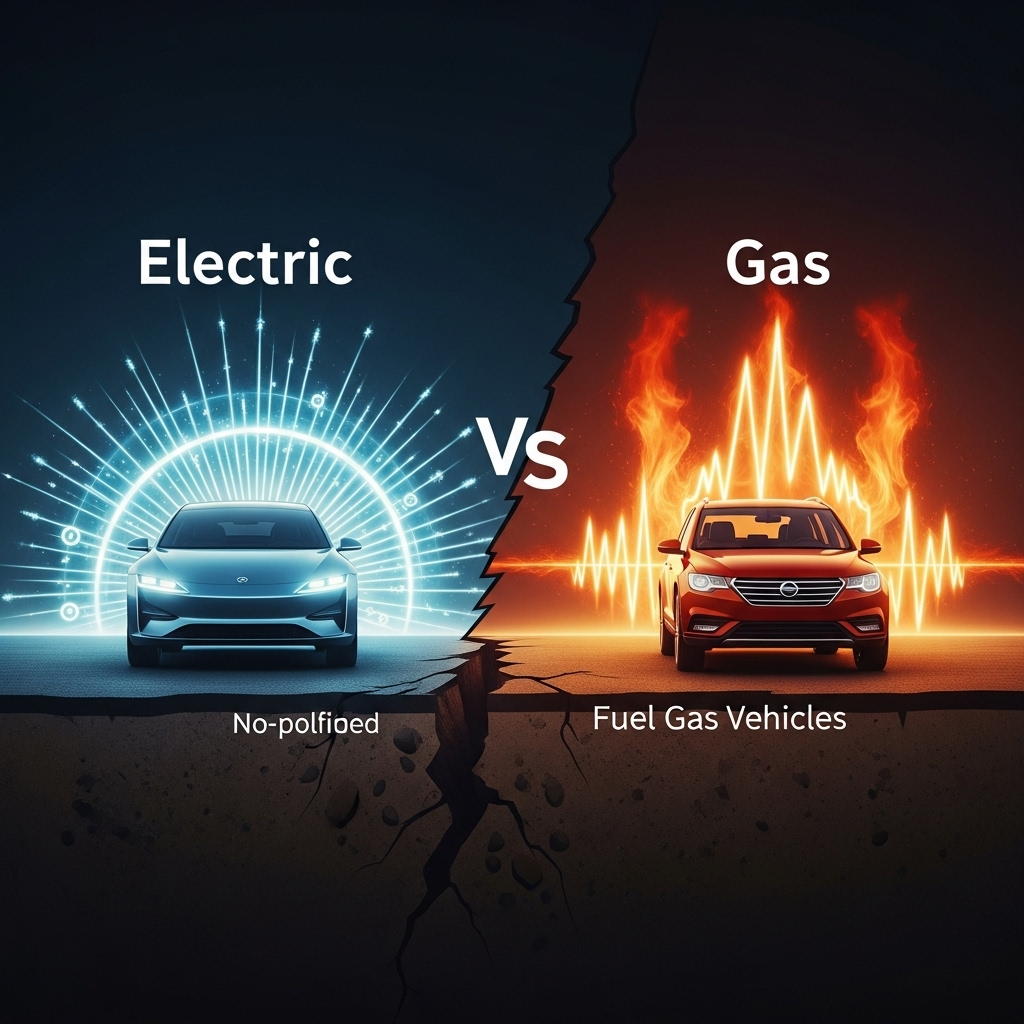
The choice between the two technologies comes down to a matter of timing and investment. Hybrids are a realistic, immediate solution for reducing Liberia's carbon footprint. They allow drivers to benefit from greener technology without waiting for major infrastructure development. However, the ultimate goal is a future powered by clean, renewable energy, and that vision is embodied by electric cars Liberia. The journey to a sustainable transport system in Liberia will likely begin with hybrids, paving the way for a future where fully electric vehicles can thrive.
What are your thoughts on which technology is the best fit for Liberia right now? Share your opinions and questions in the comments below!