

Liberia’s road infrastructure, severely affected by decades of underinvestment and conflict, presents one of the greatest operational challenges for vehicle owners and commercial transport companies. With over 90% of the road system unpaved and large sections suffering from chronic Road Deterioration, the primary consequence is not just slower travel times—often turning a five-hour journey into several days—but a dramatic Maintenance Cost Escalation for every vehicle on the road.
Studies indicate that for Liberian transport companies, maintenance costs can account for an average of 19% of total expenditure, a figure significantly higher than international benchmarks. This burden is directly traceable to the twin scourges of potholes and inadequate drainage, which are the main culprits behind accelerated vehicle damage, impacting Wet Season Mobility and business viability.
The Physical Toll: Suspension Damage and Potholes
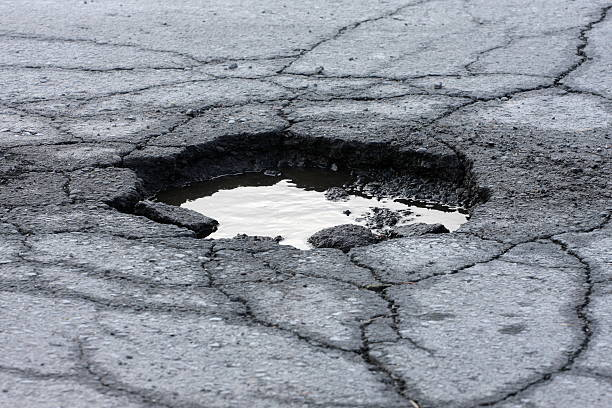
Potholes are essentially open wounds in the road surface, and in Liberia, they often become deep craters during the rainy season. Driving over these repeatedly subjects a vehicle’s structure to immense, violent stress.
1. Severe Suspension Damage
The most frequent and expensive casualty of potholes is the suspension system. Constant impacts lead to premature failure of shock absorbers, bushings, ball joints, and tie rods. Repairing this type of Suspension Damage is a continuous, cyclical expense for Liberian motorists. Given that spare parts can be scarce and expensive, the cost of labor and imported components pushes the overall Maintenance Cost Escalation to unsustainable levels for many operators.
2. Wheel and Tyre Trauma
Potholes also inflict trauma on wheels and tires. Repeated forceful impacts can bend or crack rims and lead to rapid blowouts or punctures. Maintaining proper tire pressure, a simple measure to mitigate impact, is often insufficient against the size and depth of holes exacerbated by the rains, directly contributing to high Vehicle Operating Costs.
The Water Factor: The Damage of Poor Drainage
The problem is compounded by widespread Poor Drainage. A strong correlation exists: low drainage maintenance results in high road maintenance costs. When water is not efficiently channeled away, it infiltrates the road base, weakening the underlying soil's load-carrying capacity.
3. Waterlogging and Chassis Corrosion
Water accumulation on unpaved roads transforms surfaces into hazardous mud baths, drastically impeding Wet Season Mobility and causing vehicles to suffer deep ruts and waterlogging. When a vehicle is frequently exposed to standing water, it accelerates Chassis Corrosion and damages sensitive undercarriage components and electrical systems. For heavy trucks and taxis (which are often overloaded), navigating these swamp-like conditions causes significant drivetrain strain. The national development strategy, exemplified by the Liberia Urban Resilience Project, correctly targets the cleaning and construction of roadside drains alongside road rehabilitation as a key priority to combat this cycle of decay.
The ongoing government efforts, such as the minimum 485 km of primary road paving targeted in the National Development Plan (2025-2029) and the urban resilience projects in Paynesville, aim to reduce the Maintenance Cost Escalation faced by Liberian drivers. However, until systemic Poor Drainage and Road Deterioration issues are addressed across the vast unpaved network, the economic drain on transport will continue. For acquiring vehicles durable enough to handle these conditions, accessing informed platforms like Auto24 is essential.
Which factor do you believe contributes more to the Maintenance Cost Escalation for the average driver in Liberia: the direct impact of Suspension Damage from potholes, or the long-term, corrosive effects of Poor Drainage? Share your thoughts below!