

Liberia is officially among the wettest countries in the world, with coastal areas receiving over 2,400 mm of annual rainfall. For commercial logistical fleets, the arrival of the rainy season—stretching typically from May to October—is not just a change in weather; it is a fundamental shift in operational risk. As the nation moves through 2026, intensified rainfall and erratic climate patterns have made traditional transport strategies obsolete. Mastering Liberia Rainfall Fleet Management is now the difference between a profitable delivery cycle and a logistical catastrophe characterized by washed-out roads and damaged cargo.
The Infrastructure Challenge: Navigating Unpaved Arteries
While 2026 marks a transformative era with the near-completion of major megaprojects like the RIA Highway expansion and sections of the Coastal Highway, the majority of the national road network remains unpaved. During peak downpours, these laterite and dirt tracks transform into slick, impassable quagmires.
A core tenet of Liberia Rainfall Fleet Management is "Route Predictive Planning." Modern fleets are no longer competing on speed alone; they compete on predictability. Utilizing AI-driven planning to forecast weather-impacted delays allows dispatchers to reroute shipments before a truck ever enters a flooded valley. For logistics professionals wanting to stay ahead of these regional infrastructure shifts, the expert reporting at AfriCarNews is an essential resource.
Critical Vehicle Pre-Check Protocols
In a climate where visibility can drop to zero in seconds, the mechanical integrity of the fleet is paramount. Liberia Rainfall Fleet Management begins at the workshop before the ignition even turns.
-
Tire Specification: Standard highway tires are insufficient. Fleets should transition to deep-tread All-Terrain or Mud-Terrain tires to ensure maximum "bite" on slippery surfaces.
-
Wiper and Light Integrity: In the "destructive bursts" of rain characteristic of the 2026 season, high-visibility LED lighting and heavy-duty silicone wiper blades are non-negotiable safety upgrades.
-
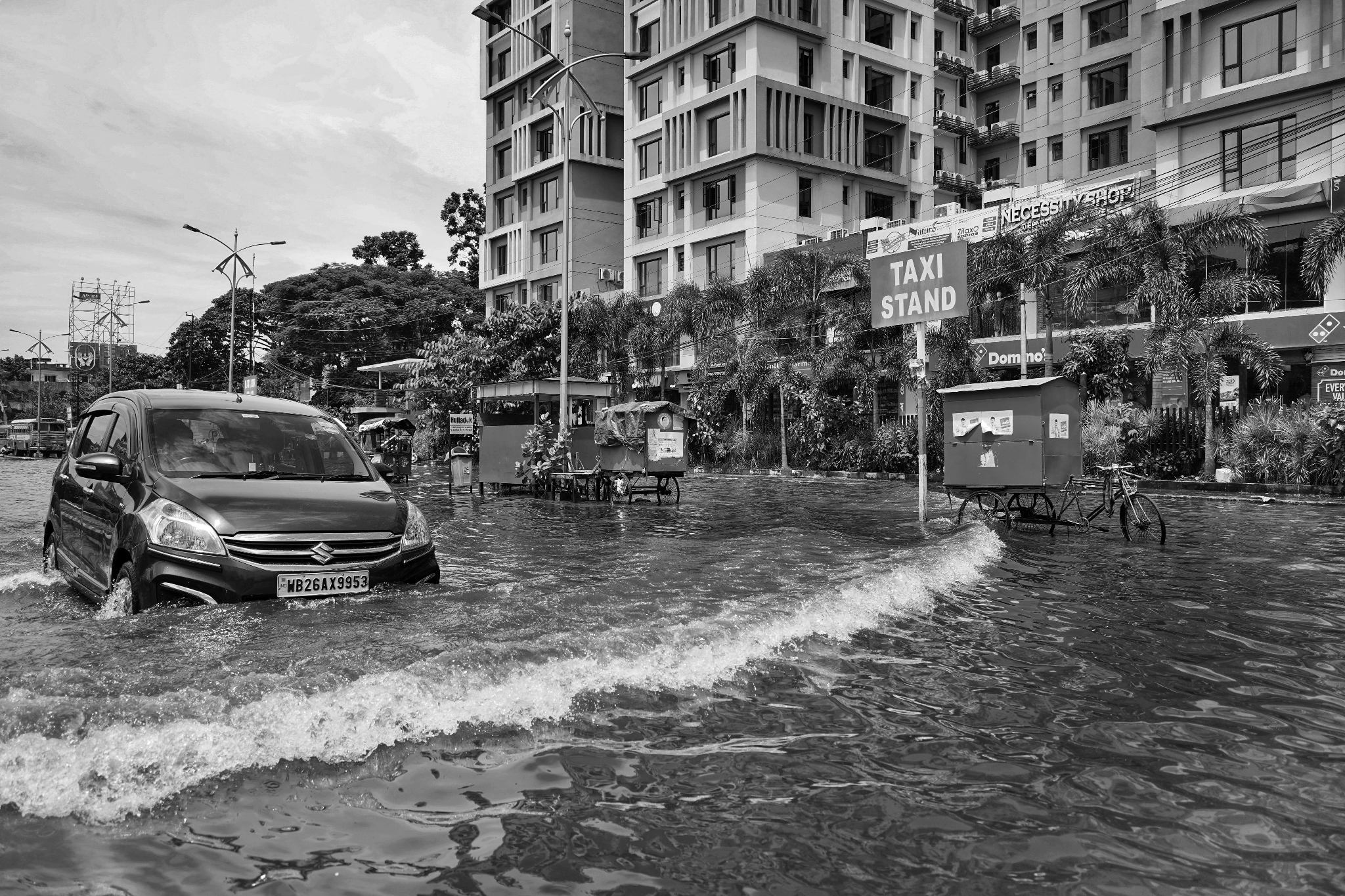
Waterproofing Seals: Regularly inspect door seals and electrical housing. Saturated soil and flash floods mean trucks often have to navigate standing water that can easily short-circuit exposed wiring.
Advanced Defensive Driving Techniques
The physics of a heavy vehicle changes drastically on wet African laterite. Hydroplaning can occur at speeds as low as 35 mph, especially during the first ten minutes of a downpour when oils rise to the surface of the road.
Effective Liberia Rainfall Fleet Management mandates specialized driver training focused on "Torque Control." Drivers must learn to manage instant torque—particularly in newer electric or hybrid commercial models—to avoid spinning wheels into soft "fech-fech" sand hidden beneath puddles. Maintaining a following distance of at least 8 to 10 seconds provides the necessary buffer to react to sudden washouts or fallen debris, which are increasingly common due to saturated soils.
Leveraging Predictive Technology
In 2026, the integration of Digital Twins has become a standard in Liberia Rainfall Fleet Management. These network simulations allow companies to test "what-if" scenarios, such as the total closure of a primary bridge due to river discharge. By linking real-time GPS coordinates with satellite-based rainfall data, fleet managers can trigger contingency plans—such as staging cargo at regional micro-hubs—before the heavy rains render a route inaccessible.
Ultimately, successfully navigating Liberia’s hazards requires a proactive culture of safety. By combining high-clearance equipment, predictive AI, and a deep respect for the power of the tropical climate, logistical fleets can ensure that the "rainy season" remains a season of productivity rather than one of paralysis.
Does your fleet rely more on traditional driver experience or new predictive AI software to handle the rainy season? We’d love to hear your "boots on the ground" stories—share your best wet-weather recovery tips in the comments below!