

Liberia has begun developing a national policy framework aimed at guiding the growth of Electric Vehicles in Liberia as the country moves toward cleaner transportation. The initiative seeks to prepare government institutions, private investors, and development partners for the gradual introduction of zero-emission mobility solutions across the country’s transport sector.
The effort reflects a growing recognition that the global automotive industry is shifting rapidly toward electric mobility. Rather than waiting for the transition to happen organically, Liberian authorities want to establish clear guidelines that support innovation while protecting the environment and strengthening the national transport system.
Why Electric Vehicles in Liberia Are Becoming a Policy Priority
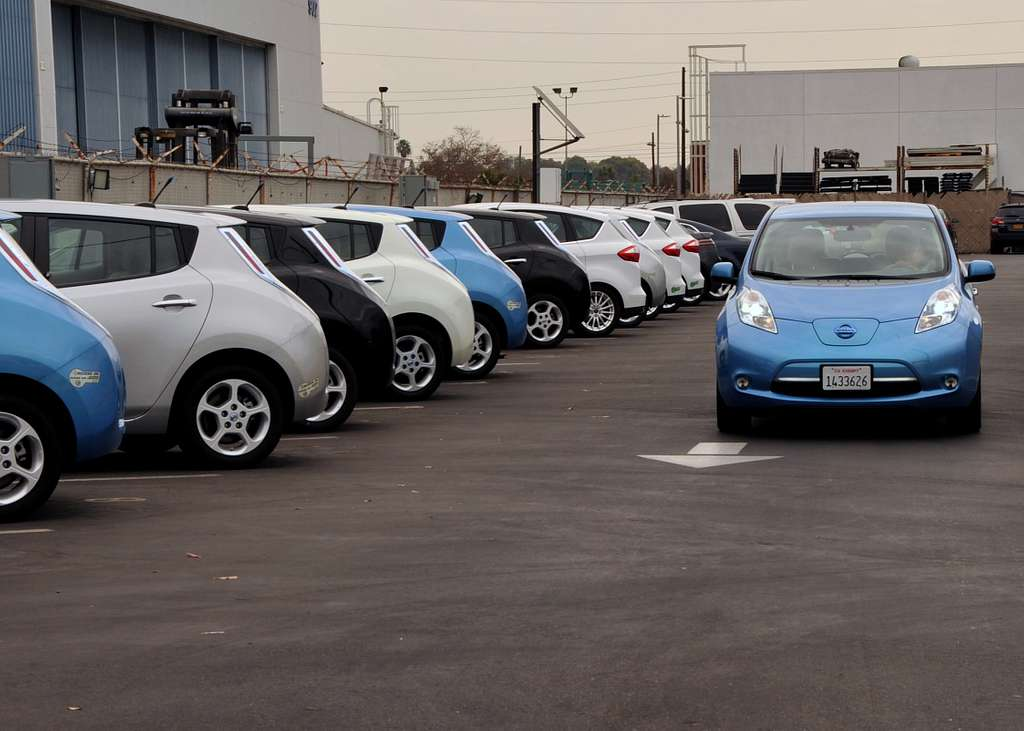
Government officials say the rise of Electric Vehicles in Liberia is already visible on the roads. Electric motorbikes, tricycles, and a small number of electric SUVs and passenger vehicles have begun appearing in urban areas, largely imported by private businesses.
These vehicles represent early signs of a broader mobility transformation. As battery technology improves and electric vehicles become more affordable globally, Liberia could see an increase in EV imports over the coming years.
Transport officials believe establishing policies now will help the country manage this transition more effectively.
Addressing Pollution from Aging Vehicles
One of the major motivations behind the push for Electric Vehicles in Liberia is the environmental impact of older vehicles currently operating in the country.
Many cars, buses, and commercial vehicles on Liberian roads are aging imports that produce heavy exhaust emissions. These vehicles contribute to urban air pollution and reduce fuel efficiency, increasing operating costs for drivers.
Authorities say that encouraging Electric Vehicles in Liberia could gradually reduce these emissions while improving urban air quality and public health.
Key Components of Liberia’s E-Mobility Framework
The policy development process is bringing together government agencies, transport operators, private companies, and international partners to design a roadmap for cleaner mobility.
The framework is expected to focus on several core areas related to Electric Vehicles in Liberia.
Policy Priorities
Stakeholders are working to identify the most important regulatory and economic policies needed to support electric mobility, including vehicle import regulations and incentives for cleaner vehicles.
Policy Structure and Pillars
A clear national structure will outline how Electric Vehicles in Liberia will be integrated into the broader transport system, covering different vehicle categories such as motorcycles, tricycles, passenger cars, and commercial vehicles.
Implementation Roadmap
Authorities are also developing a step-by-step implementation strategy. This roadmap will define responsible institutions, timelines for policy rollout, and measurable milestones for electric mobility adoption.
Institutional Coordination
Because transport policy involves multiple government agencies, the framework will include a coordination mechanism to ensure ministries and stakeholders work together effectively.
Private Sector Driving Early Adoption
The private sector is already playing an important role in the development of Electric Vehicles in Liberia. Businesses importing electric motorcycles, tricycles, and cars are helping introduce new technologies to the local market.
Policymakers want these companies involved in shaping the national framework so that regulations remain practical and encourage further investment.
Industry observers believe that if supportive policies are introduced, Electric Vehicles in Liberia could expand rapidly in urban transport services, delivery fleets, and ride-hailing operations.
Readers interested in wider automotive and mobility developments across Africa can explore more industry updates through AfricaCarNews, where insights on vehicle markets, EV trends, and transport innovation are regularly featured.
The Road Ahead for Liberia’s EV Transition
Although electric mobility is still in its early stages, the government’s proactive approach shows that Electric Vehicles in Liberia could become an important part of the country’s transport future.
Once completed, the national framework will guide the development of a full e-mobility policy aimed at supporting cleaner vehicles, reducing emissions, and improving the efficiency of Liberia’s transport system.
Do you think electric cars, bikes, and tricycles could transform transportation in Liberia? Share your thoughts in the comments and join the discussion!